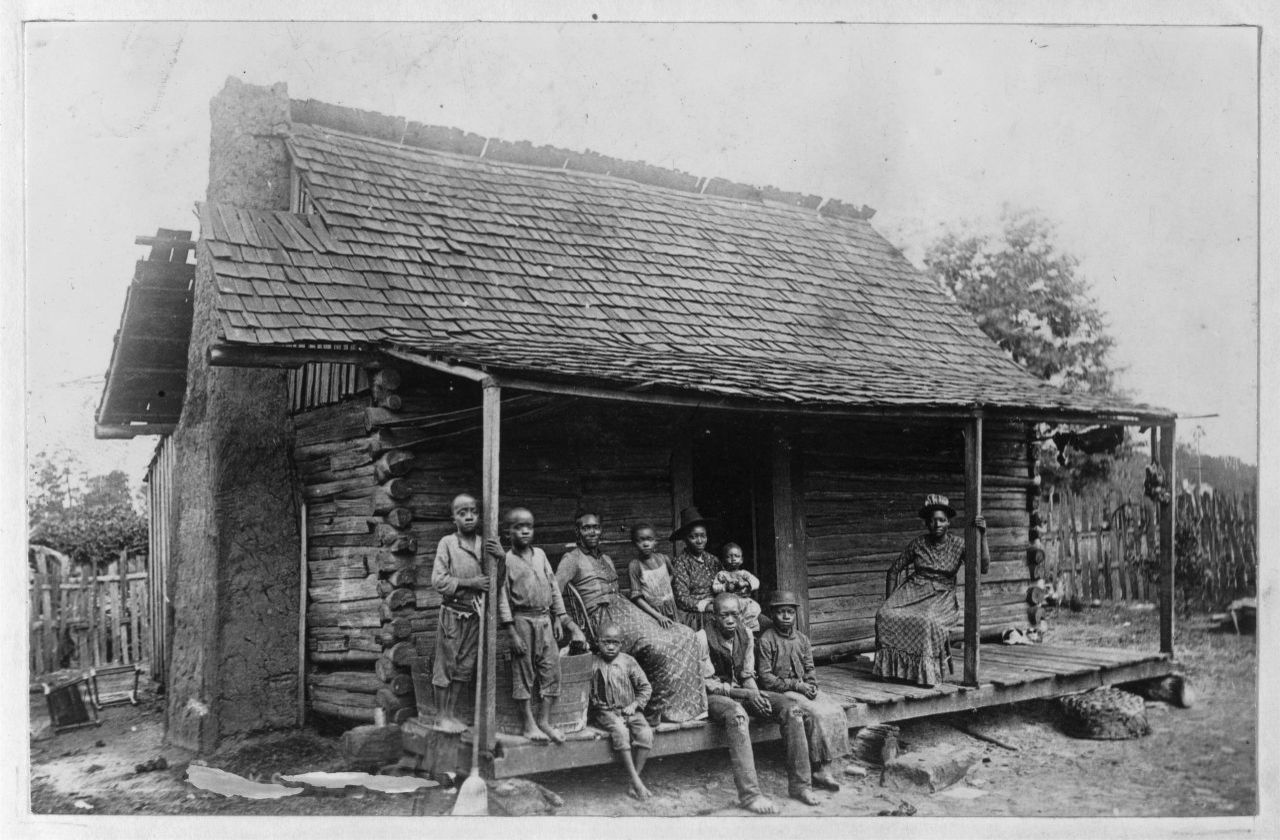
„Hard Times Come Again No More“ wurde von Stephen Foster geschrieben und 1854 von Firth, Pond & Co. veröffentlicht. Mitte der 1850er Jahre befand sich Pittsburgh im Griff von außer Kontrolle geratener Arbeitslosigkeit und Krankheit; Cholera tötete in einem Sommer 400 Menschen. Um über die Runden zu kommen, nahm die Pflegefamilie einen Pfarrer in ihr bereits überfülltes Zuhause auf.
Die meisten von Fosters Werken fielen in eine anerkannte Kategorie von Minstrel-Songs, Musik, die von weißen Künstlern in schwarzem Gesicht aufgeführt wurde und angeblich eine südliche Sklavenkultur beschreibt, von der weder Foster noch seine Freunde in Pittsburgh etwas wussten.
Die Familie von Stephen Foster lebte in einer Stadt im Norden, unterstützte aber nicht die Abschaffung der Sklaverei. Foster, ein lebenslanger Demokrat, schrieb Wahlkampflieder für Politiker wie James Buchanan, die gegen die Abolitionismus waren und sich dafür einsetzten, dass Sklavenjäger freie Staaten betreten durften, um Afroamerikaner zu fangen, von denen angenommen wurde, dass sie entflohene Sklaven waren.
On the other hand, many of Foster’s songs fanned the flames for abolition. In the 1850s “My Old Kentucky Home” and other songs appeared in stage adaptations of Harriet Beecher Stowe’s abolitionist novel Uncle Tom’s Cabin.
Foster brachte sich selbst das Spielen von Klarinette, Gitarre, Flöte und Klavier bei. Er hatte keinen formalen Kompositionsunterricht, aber er wurde von Henry Kleber (1816–1897), einem in Deutschland geborenen Musikhändler in Pittsburgh, unterstützt. Sie studierten die Musik von Bach, Mozart, Beethoven, Schubert und Mendelssohn.
Let us pause in life's pleasures and count its many tears, While we all sup sorrow with the poor;
There's a song that will linger forever in our ears;
Oh! Hard times come again no more.

Chorus:
'Tis the song, the sigh of the weary,
Hard Times, hard times, come again no more.
Many days you have lingered around my cabin door;
Oh! Hard times come again no more.

While we seek mirth and beauty and music light and gay,
There are frail forms fainting at the door;
Though their voices are silent, their pleading looks will say
Oh! Hard times come again no more.
Chorus

There's a pale weeping maiden who toils her life away,
With a worn heart whose better days are o'er:
Though her voice would be merry, 'tis sighing all the day,
Oh! Hard times come again no more.
Chorus

'Tis a sigh that is wafted across the troubled wave,
'Tis a wail that is heard upon the shore
'Tis a dirge that is murmured around the lowly grave
Oh! Hard times come again no more.
Chorus