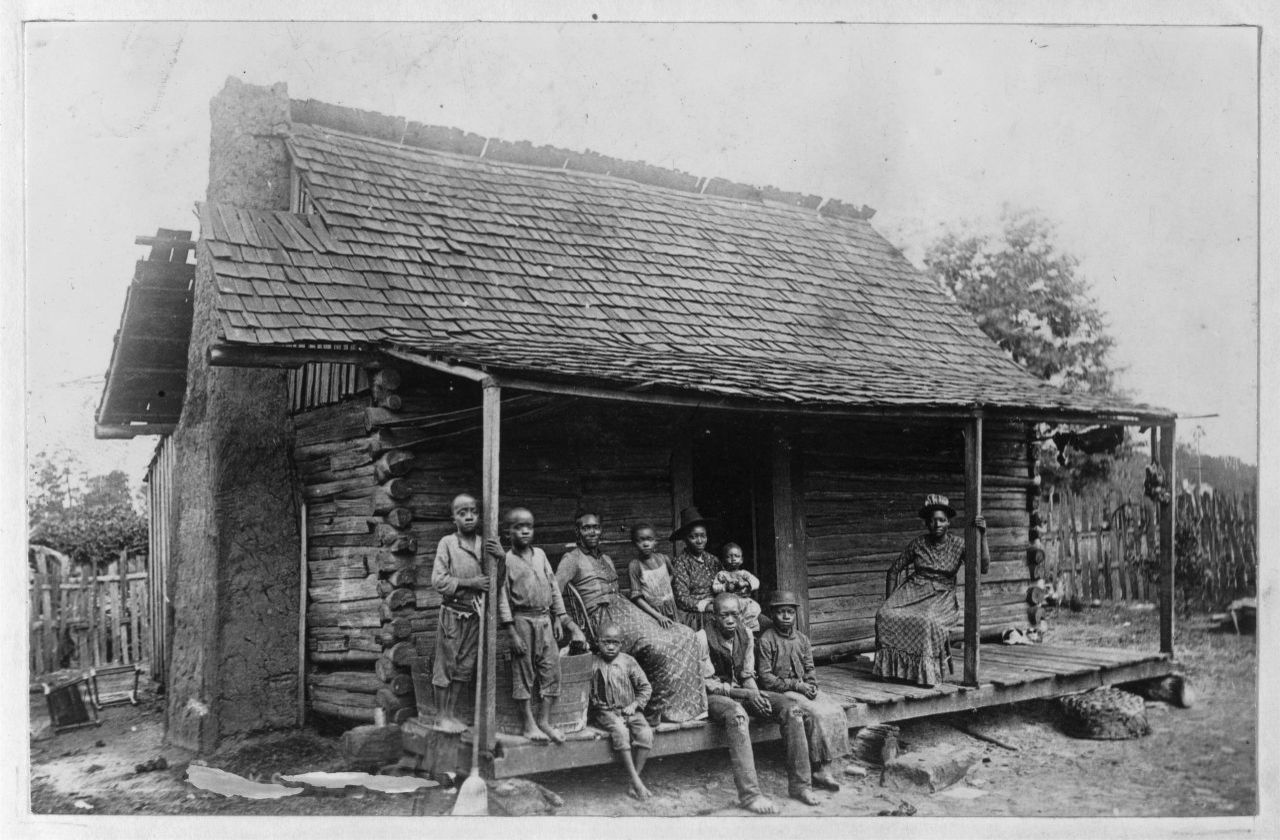
“Hard Times Come Again No More” was written by Stephen Foster and published in 1854 by Firth, Pond & Co. In the mid 1850’s, Pittsburgh was in the grip of out of control unemployment and disease; cholera one summer killed 400 people. To help make ends meet, the Foster family took into their already crowded home a minister.
Most of Foster’s output fell into a recognized category of minstrel songs, music performed by white artists in blackface that purported to describe a Southern slave culture neither Foster nor his Pittsburgh friends knew anything about.
The family from Stephen Foster lived in a northern city but they did not support the abolition of slavery. A lifelong Democrat, Foster wrote campaign songs for politicians such as James Buchanan, who opposed abolitionism and supported allowing slave hunters to enter free states to capture African Americans believed to be escaped slaves.
On the other hand, many of Foster’s songs fanned the flames for abolition. In the 1850s “My Old Kentucky Home” and other songs appeared in stage adaptations of Harriet Beecher Stowe’s abolitionist novel Uncle Tom’s Cabin.
Foster taught himself to play the clarinet, guitar, flute, and piano. He did not have formal instruction in composition but he was helped by Henry Kleber (1816–1897), a German-born music dealer in Pittsburgh. They studied the music of Bach, Mozart, Beethoven, Schubert and Mendelssohn.
Let us pause in life's pleasures and count its many tears, While we all sup sorrow with the poor;
There's a song that will linger forever in our ears;
Oh! Hard times come again no more.

Chorus:
'Tis the song, the sigh of the weary,
Hard Times, hard times, come again no more.
Many days you have lingered around my cabin door;
Oh! Hard times come again no more.

While we seek mirth and beauty and music light and gay,
There are frail forms fainting at the door;
Though their voices are silent, their pleading looks will say
Oh! Hard times come again no more.
Chorus

There's a pale weeping maiden who toils her life away,
With a worn heart whose better days are o'er:
Though her voice would be merry, 'tis sighing all the day,
Oh! Hard times come again no more.
Chorus

'Tis a sigh that is wafted across the troubled wave,
'Tis a wail that is heard upon the shore
'Tis a dirge that is murmured around the lowly grave
Oh! Hard times come again no more.
Chorus